Honey and oat in skincare: a plain-language guide
Updated · 3 min read
Honey and oat have been kitchen-cupboard skincare for generations. In a modern formula they are simply familiar ingredients that change how a product feels on skin.
What they are
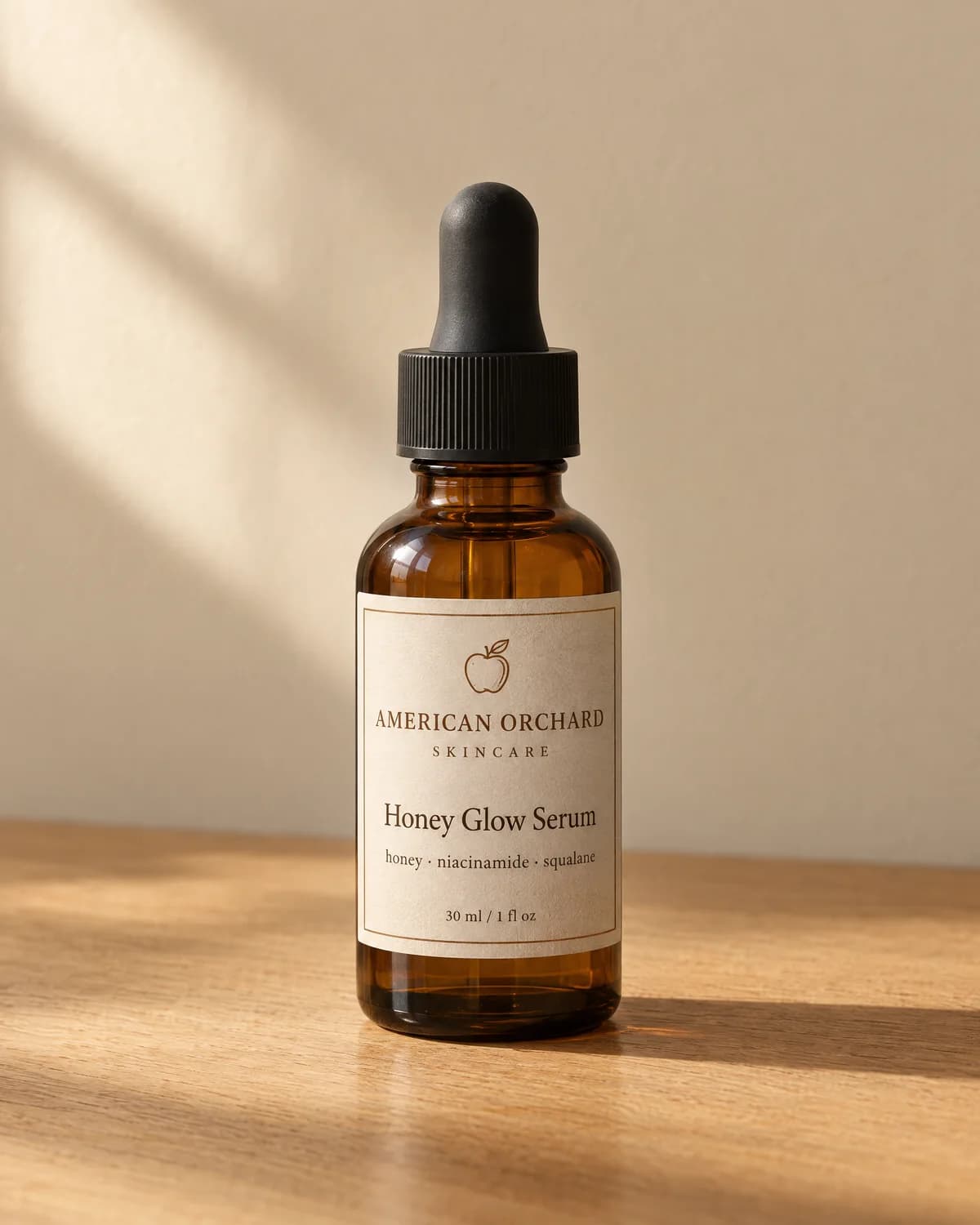
Honey in skincare is usually listed as honey or honey extract. It is a humectant, which means it draws moisture toward the skin, and it gives a serum or mask a soft, slightly cushiony feel.
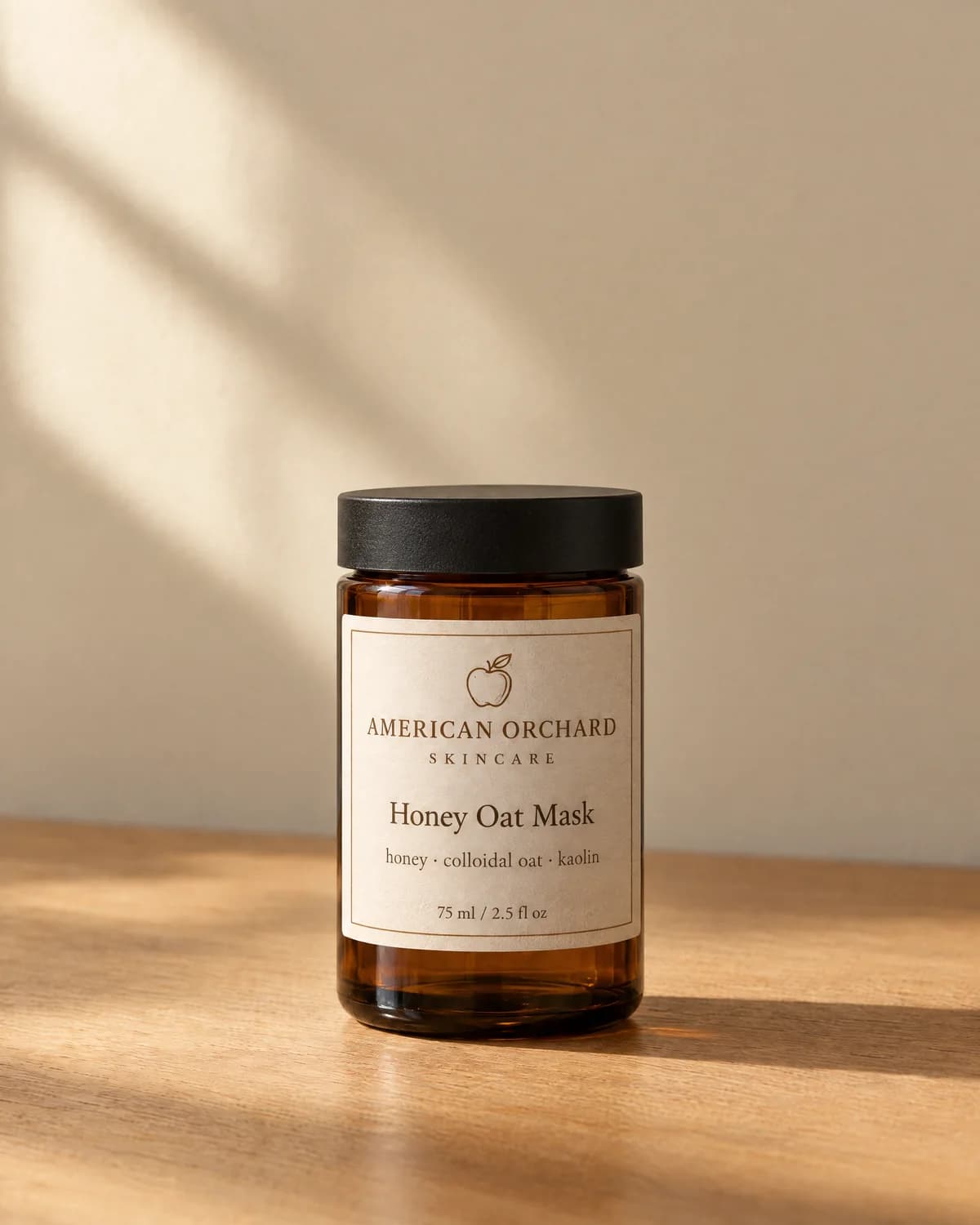
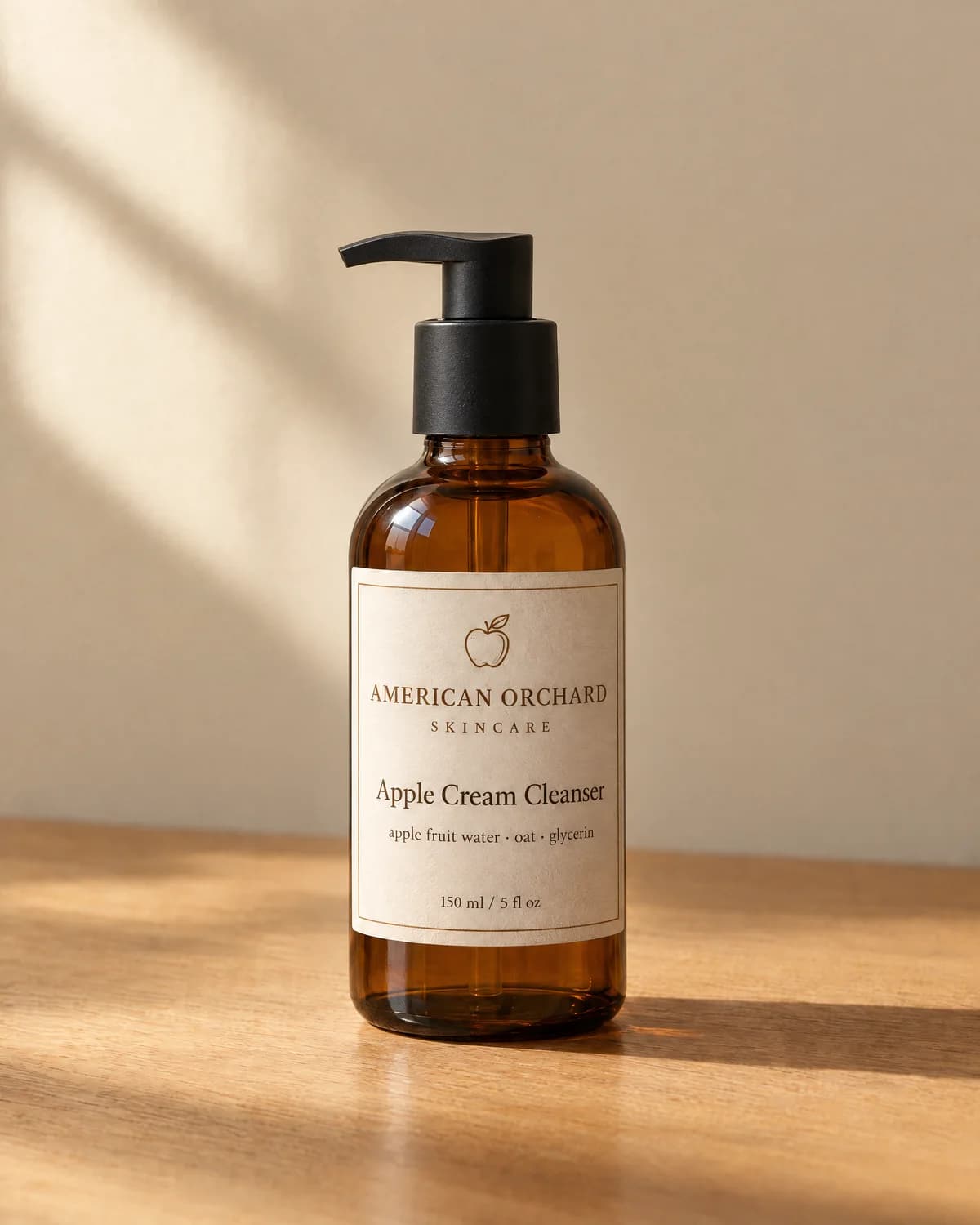
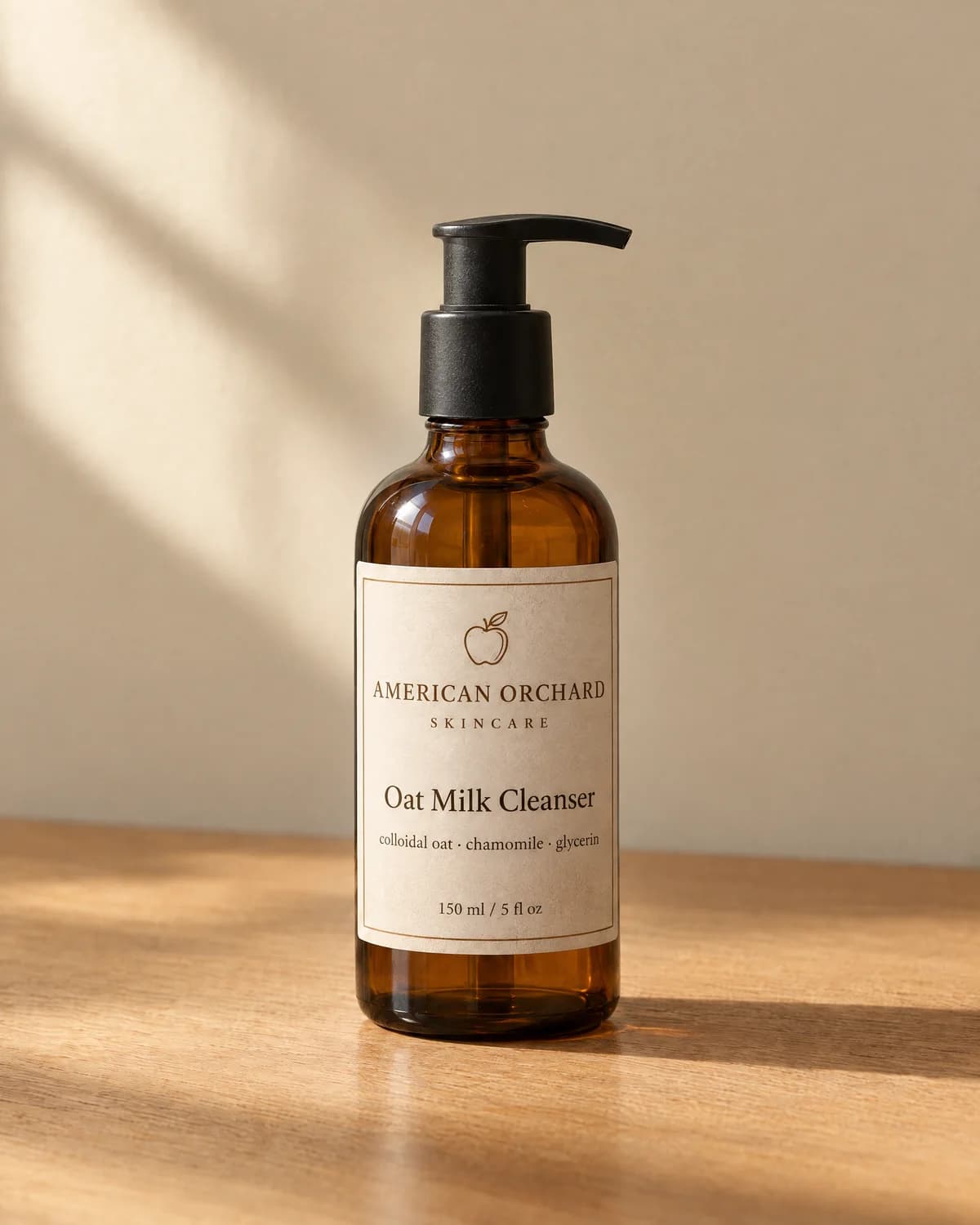
Colloidal oat is finely milled oat kernel suspended in a formula. On an ingredient list it appears as Avena sativa (oat) kernel flour or oat extract. It is known for feeling gentle and comforting, which is why it turns up in cleansers and masks for skin that prefers a soft touch.
How they feel
Honey makes a serum feel silky and lightly tacky for a moment before it settles; in a wash-off mask it leaves skin feeling soft and clean rather than tight. Oat gives a cleanser a milky, low-foam texture and makes a mask feel creamy and calm on the skin.
What they pair with
Both work alongside other everyday ingredients rather than replacing them. A typical pairing might be:
- Hyaluronic acid or glycerin, for a hydrated, bouncy feel.
- Niacinamide, for skin that looks more even in tone.
- Squalane, shea butter or ceramides, to leave skin feeling soft and comfortable.
Building a simple routine
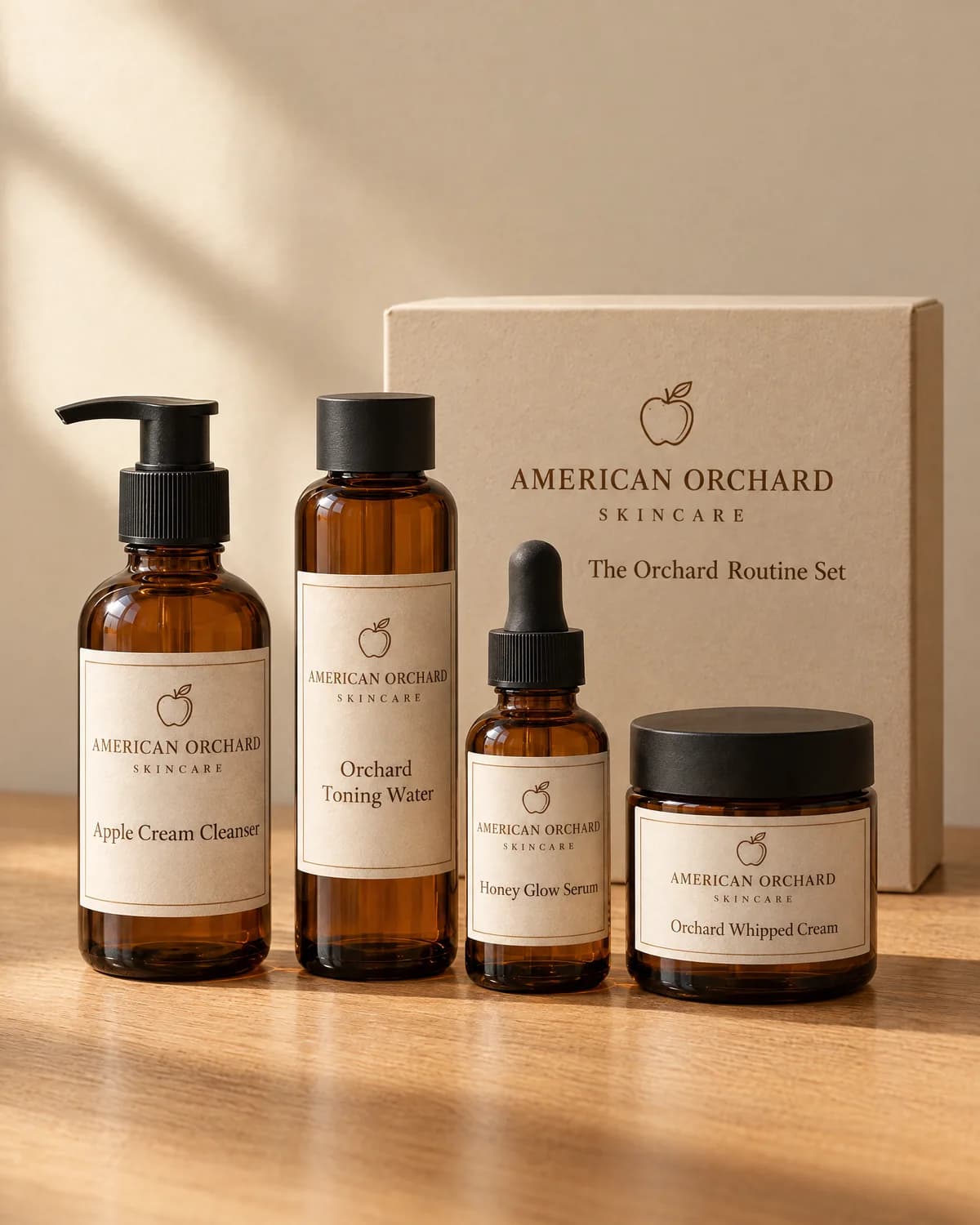
Keep it simple: a gentle cleanser, a light toning water, a serum and a cream, morning and evening, with sunscreen as the final step every morning. A fresh look comes as much from skin that feels comfortable and hydrated as from any single ingredient.
Trying something new? Patch test it first, and stop using any product that causes irritation.
Questions
Are honey and oat suitable for sensitive skin?
Every skin is different and the full formula matters more than one ingredient. Patch test first, check the full ingredient list on the packaging, and stop use if irritation occurs.
Will a honey serum feel sticky?
A well-made honey serum feels lightly tacky for a few seconds and then settles to a soft, smooth finish. Use a few drops and press them in rather than rubbing.
For external cosmetic use. Patch test new products and stop use if irritation occurs. See ingredients & safety.